
We’re spending more time than ever in our homes, thanks to lockdowns, which is why I was commissioned to write this piece for The Daily Express and Daily Mirror.
Because, while staying at home may help protect us from COVID-19, health experts are warning that being cooped up for long lengths of time could harm our health in other ways.
According to the My Health My Home indoor air quality campaign, the air in our homes can be five times more polluted than outdoor air, containing up to 900 potentially dangerous chemicals, Volatile Organic Compounds (VOCs) and particulates (fine dusts), which can cause fatigue, headaches and wheezing and are linked to serious health conditions such as asthma, cancers, respiratory infections and heart disease.
To add to these scary air issues, a lot of what we’re doing to make our homes more comfortable and cosy during lockdown – burning scented candles, home-cooking or giving the walls a new lick of paint – can increase our exposure to pollutants and VOCs.
Here’s how to take more care of the air in your home.
BE CAUTIOUS OF CONDENSATION
Everyday activities like cooking, taking a shower, or drying laundry inside can contribute to condensation. Left unchecked, it can lead to moulds developing, which give off allergens and toxins that can cause respiratory infections and asthma. So make sure you ventilate the house well. “If you have double glazing, keep the trickle vents open,” says Nicholas Donnithorne from Rentokil Property Care. “When cooking and boiling a kettle, or using hot water in the bathroom, close the doors and switch on extractor fans to prevent moisture from escaping to colder rooms and collecting on the walls.”
Dehumidifiers work by pulling in moisture-laden air, removing the moisture from it into an inbuilt tank, then releasing dry air back into the room. I love the Honeywell 12 litre Portable Dehumidifier, £109, amazon.co.uk

KEEP AIR IN CHECK
Air monitors detect pollutants such as VOCs, dusts and other chemicals in a room and display air quality data on an accompanying app. Because you can easily see changes occur – for example when you’re spritzing chemical cleaning products – you can be aware of what’s polluting your home and tackle it. Try the AirVisual Pro Air Quality Monitor, £229, allergycosmos.co.uk
AND BREATHE…
The easiest way to get rid of pollutants in a room is to open the windows (providing you don’t live in a heavily polluted area). But this isn’t practical in winter. Step in an air purifier, which removes particulates (dust, pollen, pet dander) plus harmful gases and VOCs generated from cooking, heating, furnishings and cleaning products, then pumps out clean air. Some purifiers use UV technology to deactivate bacteria and viruses from the air. Try the Radic8 Hextio £240, www.4thwavetech.com. We LOVE the Dyson Pure Hot + Cool which heats (or cools) a room while it purifies (£549, www.dyson.co.uk).

PURIFYING PLANTS!
NASA’s ‘Clean Air Study’, conducted to find the best ways to clean the air in space stations, discoveredthat plants such as peace lilies and rubber plants are pretty clever when itcomes to removing household toxins such as benzene and formaldehyde (found in synthetic fabrics and paint) from the air. The bloomboxclub.com plant delivery service has a curated section of plants to buy that are perfect for cleaning indoor air – and the first three months of its subscription service offer plants that positively affect air quality.
CHEMICAL-FREE CLEANING
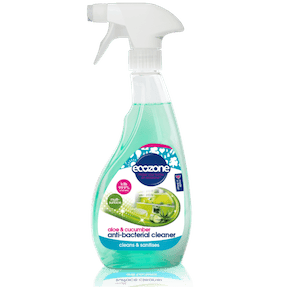
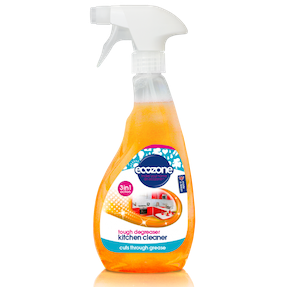
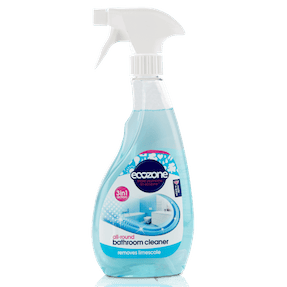
Detergents, bleaches and polishes…the chemical cleaning products we use to keep things spick and span release VOCs such as acetone and formaldehyde which can increase allergy and asthma symptoms and may even affect lung function. Switch to plant-based, non-toxic eco-friendly products that contain no nasties and leave air clean to breath. Try Bio-D (biod.co.uk) and Ecozone (ecozone.com) products.
HEAVEN SCENT
We all want a sweet-smelling home but the paraffin wax and synthetic fragrances in scented candles and air fresheners release gases and chemicals which can exacerbate allergy symptoms, cause headaches and are even linked to cancer. All candles produce soot and smoke which can be harmful when inhaled in large amounts, but candles made from natural waxes such as soy and beeswax produce less. Also look for those fragranced with natural essential oils.
DANGEROUS DÉCOR
Chemicals used in the production of carpets, sofas and paints can all emit harmful VOC fumes. For a new lick of colour, try Lakeland no-VOC paints (Lakelandpaints.co.uk) and search out sofa makers that use non-toxic flame retardants and glues plus rugs and carpets that are low in VOCs. You can also ask a shop to unroll a new carpet and air it before it’s delivered.